
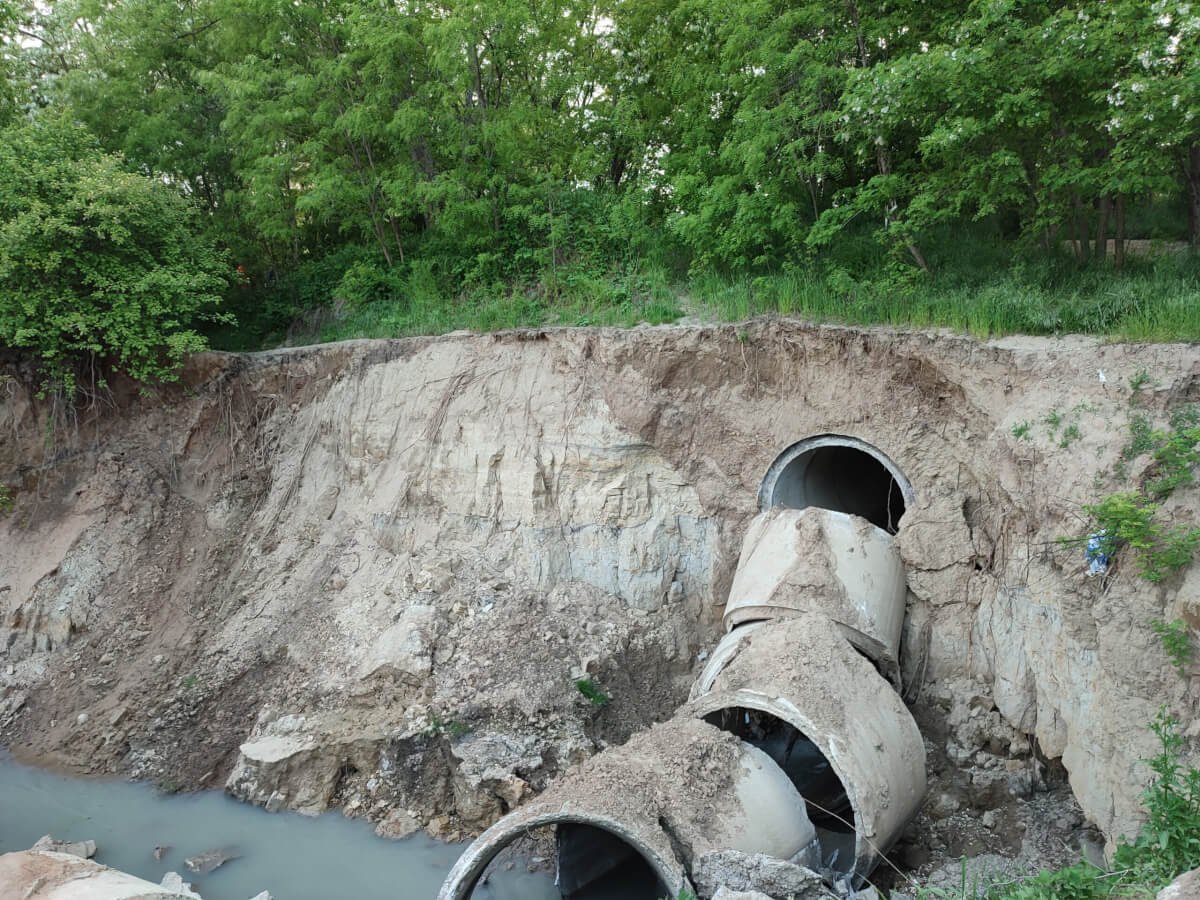
Why Culvert Soil Loss Is More Dangerous Than It Looks
Culvert pipes are essential to storm water management throughout Houston, Conroe, and The Woodlands. They allow water to pass safely beneath driveways, roadways, parking lots, and access roads. When functioning properly, they prevent flooding and erosion. However, the biggest threat to a culvert is often not the pipe itself, it is the loss of soil surrounding it.
When soil begins washing away around a culvert pipe, structural support weakens and voids form beneath pavement or concrete slabs. What appears to be a small depression can quickly evolve into cracking, settlement, or full collapse. In a region like Houston, where heavy rainfall and clay soil are common, this problem is more frequent than many property owners realize.
What Causes Loss of Soil Around Culvert Pipes
Several factors contribute to erosion and void formation around culverts in Southeast Texas.
Heavy Rainfall and Storm Water Velocity
Houston storms move large volumes of water in short periods. Fast-moving runoff can carry soil away from pipe bedding and surrounding backfill.
Poor Backfill Compaction
If the soil surrounding the culvert was not compacted properly during installation, settlement and erosion occur more quickly.
Expansive Clay Soils
Clay soils swell when wet and shrink when dry. This constant movement creates small gaps that allow water to infiltrate and carry soil away.
Aging Infrastructure
Over time, joints separate and materials deteriorate, allowing water to escape and erode soil from within.
Improper Drainage Design
Inadequate inlet or outlet protection can accelerate erosion at the pipe ends.
Each of these factors contributes to gradual soil loss that may go unnoticed until visible damage appears.
Warning Signs of Culvert Erosion
Early detection can prevent major structural failure. Property owners, municipalities, and engineers should watch for:
-
Sinkholes forming near culvert entrances
-
Settlement in pavement above the pipe
-
Cracks in driveways or roadways
-
Soil separating from the culvert opening
-
Standing water where drainage once flowed properly
-
Uneven access roads or parking areas
The Risks of Ignoring Soil Loss
When soil erodes around culvert pipes, the consequences escalate quickly.
-
Roadway collapse becomes possible
-
Driveways may fail without warning
-
Pavement replacement costs increase
-
Water flow becomes unpredictable
-
Public safety risks grow
For municipalities, this means emergency repairs and unplanned budgets. For private property owners, it can mean major reconstruction expenses. Addressing the void early is significantly more cost-effective than replacing a failed culvert system.
Traditional Repair Methods and Their Limitations
Historically, repairing culvert soil loss required excavation. Crews would dig out surrounding soil, remove damaged material, and recompact backfill.
This approach:
-
Disrupts traffic and access
-
Requires heavy equipment
-
Increases labor costs
-
Damages landscaping
-
Extends project timelines
In many cases, the pipe itself remains structurally sound. and excavation becomes unnecessary when stabilization is possible.
How PolyTex Concrete Stabilizes Culverts
PolyTex Concrete uses polyurethane foam injection to fill voids and stabilize soil around culvert pipes without excavation. The entire process is minimally invasive and often completed in hours rather than days.
The process includes:
1. Inspection and Assessment
Technicians identify void locations and determine the extent of soil loss.
2. Strategic Injection Placement
Small access points are drilled near the culvert to target void areas precisely.
3. Foam Injection and Soil Stabilization
Expanding polyurethane foam fills empty spaces, compacts loose soil, and restores load-bearing support.
4. Final Verification
Stability and elevation are confirmed before completion.
Why Polyurethane Foam Is Ideal for Culvert Repair
Foam injection offers several advantages for culvert void repair:
-
Expands to fill irregular void shapes
-
Is lightweight and does not overstress weak soil
-
Is waterproof and resistant to washout
-
Provides immediate structural support
-
Reduces long-term erosion risk
For Houston’s storm-prone environment, this method delivers durable stabilization.
Culvert Repairs for Municipal and Commercial Applications
PolyTex supports:
-
Municipal roadway culverts
-
Commercial access roads
-
Industrial drainage systems
-
Private driveway culverts
-
Agricultural and rural drainage crossings
Whether the project involves a city roadway or a commercial development, stabilizing soil early protects infrastructure investment.
Preventing Future Soil Loss
Beyond repairing existing voids, PolyTex evaluates contributing factors such as drainage patterns and erosion control measures. Improvements in water flow direction can significantly extend the life of culvert systems. Loss of soil around culvert pipes is a hidden but serious threat to infrastructure in the Houston area. What begins as minor erosion can quickly escalate into major structural failure.
PolyTex Concrete provides targeted culvert void repair and soil stabilization that restores support without disruptive excavation. Addressing erosion early protects roadways, driveways, and public safety while extending infrastructure lifespan.
Contact us with any questions or to get a free quote day.