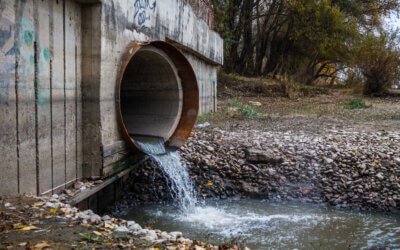
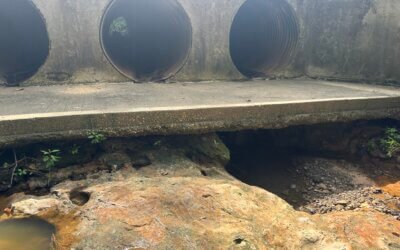
Why Bulkhead Repairs Matter for Houston-Area Waterfront Properties Protecting Your Property Starts at the Waterline Waterfront living has its perks, the views for starters, but for the Houston-area property owners, it also brings unique maintenance challenges. Whether...
Blog
What to Expect During a Foam Injection Concrete Repair
What to Expect During a Foam Injection Concrete Repair Understanding the Foam Injection Process If you’ve noticed sinking driveways, uneven sidewalks, or dipping pool decks, polyurethane foam injection might be the perfect fix. The technique restores concrete surfaces...
5 Signs Your Concrete Driveway Needs Repair
Why Driveway Maintenance Matters - Five signs that your concrete driveway needs repair Your driveway does more than just connect your garage to the street, it handles the daily wear of cars, Texas heat, and torrential rain. Over time, the concrete can start to shift,...
What Causes Concrete Slabs to Sink in Texas?
What causes concrete slabs to sink in Texas? Learn the top causes of concrete slab sinking in Houston and what you can do to prevent structural damage. In Texas, the soil beneath your home, driveway, or sidewalk is constantly expanding, contracting, shifting, and...
Polyurethane vs. Mudjacking: Which is Best for Leveling Concrete?
Polyurethane vs. Mudjacking: Which is Best forLeveling Concrete? Compare polyurethane foam leveling with traditional mudjacking to choose the best solution for your concrete repair needs. When your driveway, walkway, or foundation begins to sink, two common repair...
What Happens When You Delay Concrete Repairs
Although concrete is famously resistant to pressure, it depends on stable support beneath the surface. When that support starts to shift or erode, early signs like small cracks or slight unevenness, often follow. These changes may seem minor at first, but they point...
How to Spot Early Signs of Concrete Slab Failure
Concrete slabs often begin to fail long before the signs become obvious. Shifting soil, moisture changes, or void formation below the surface slowly start to compromise stability. On the surface, it may still look intact, but the material underneath starts to move in...
Why Slab Repair Is Essential in Houston: Signs You Shouldn’t Ignore
Houston’s climate puts a lot of pressure on slab foundations. Shifting weather patterns and long dry periods cause the clay-rich soil to swell and shrink throughout the year. That movement can make concrete slabs crack or sink over time. In commercial buildings, even...
What Causes Void Formation Under Concrete?
Concrete slabs rely on consistent support from the ground beneath them. When that support weakens, gaps can start to form out of sight. These voids develop in different ways: through water movement, soil shrinkage, or long-term pressure, but the result is often a...