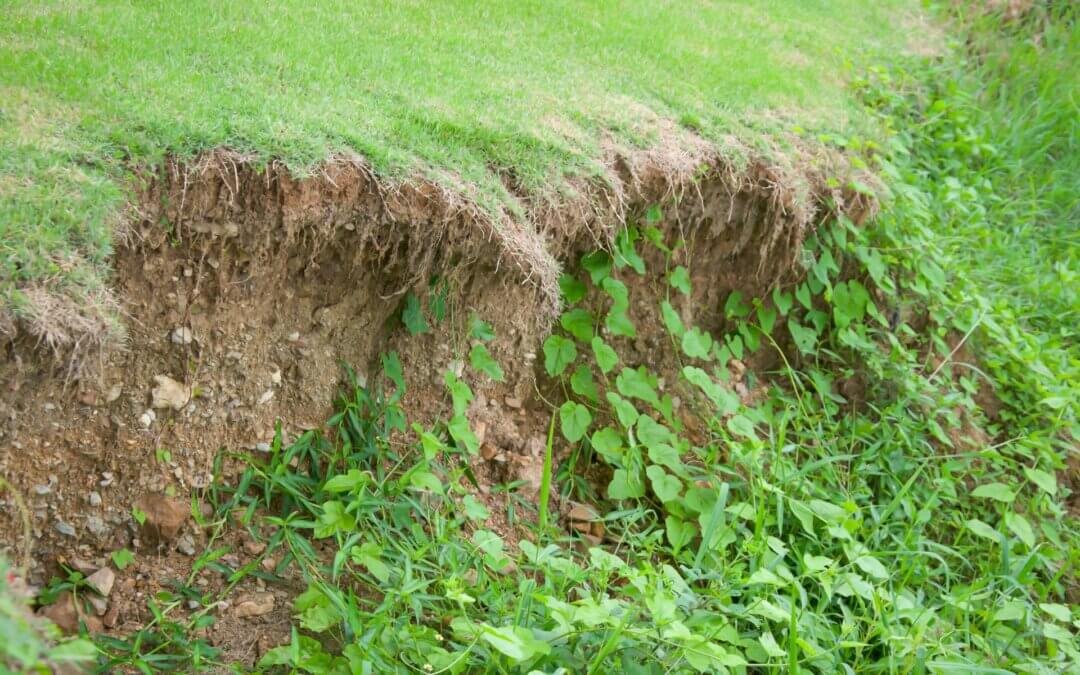
Why Seawall and Bulkhead Repairs Should Not Wait Until Summer The Myth of Summer-Only Bulkhead Repairs Many waterfront property owners believe bulkhead and seawall repairs should only happen during summer. While warm weather is convenient, it is not always the...
Storm Water Repairs Using PolyTex Concrete How Storm Water Damages Concrete and Soil Houston’s heavy rainfall and rapid runoff create serious challenges for concrete surfaces. When storm water is not properly managed, it erodes soil, washes out support beneath slabs,...
WORKING WITH POLYTEX CONCRETE Why General Contractors and Engineers are recommending and partnering with PolyTex Concrete Why the Right Concrete Repair Partner Matters For general contractors, reputation is everything. Your name is attached to every tradesman or...
How Much Does Concrete Leveling Cost in The Woodlands, TX? Understanding the Real Cost of Concrete Leveling If you live in The Woodlands, Texas, you’ve likely seen concrete slabs around homes, driveways, or sidewalks start to sink and crack. It’s a common problem...
Why Bulkhead Repairs Matter for Houston-Area Waterfront Properties Protecting Your Property Starts at the Waterline Waterfront living has its perks, the views for starters, but for the Houston-area property owners, it also brings unique maintenance challenges. Whether...
What to Expect During a Foam Injection Concrete Repair Understanding the Foam Injection Process If you’ve noticed sinking driveways, uneven sidewalks, or dipping pool decks, polyurethane foam injection might be the perfect fix. The technique restores concrete surfaces...