
Filling Voids Around Culvert Pipes|Why It Matters and How PolyTex Concrete Gets It Right
Why Culvert Pipes Fail More Often Than People Realize
Culvert pipes play a critical role in storm water management. They allow water to pass safely under roads, driveways, parking lots, and access paths without washing away the land above. When installed and maintained properly, culverts can last for decades around the Houston area.
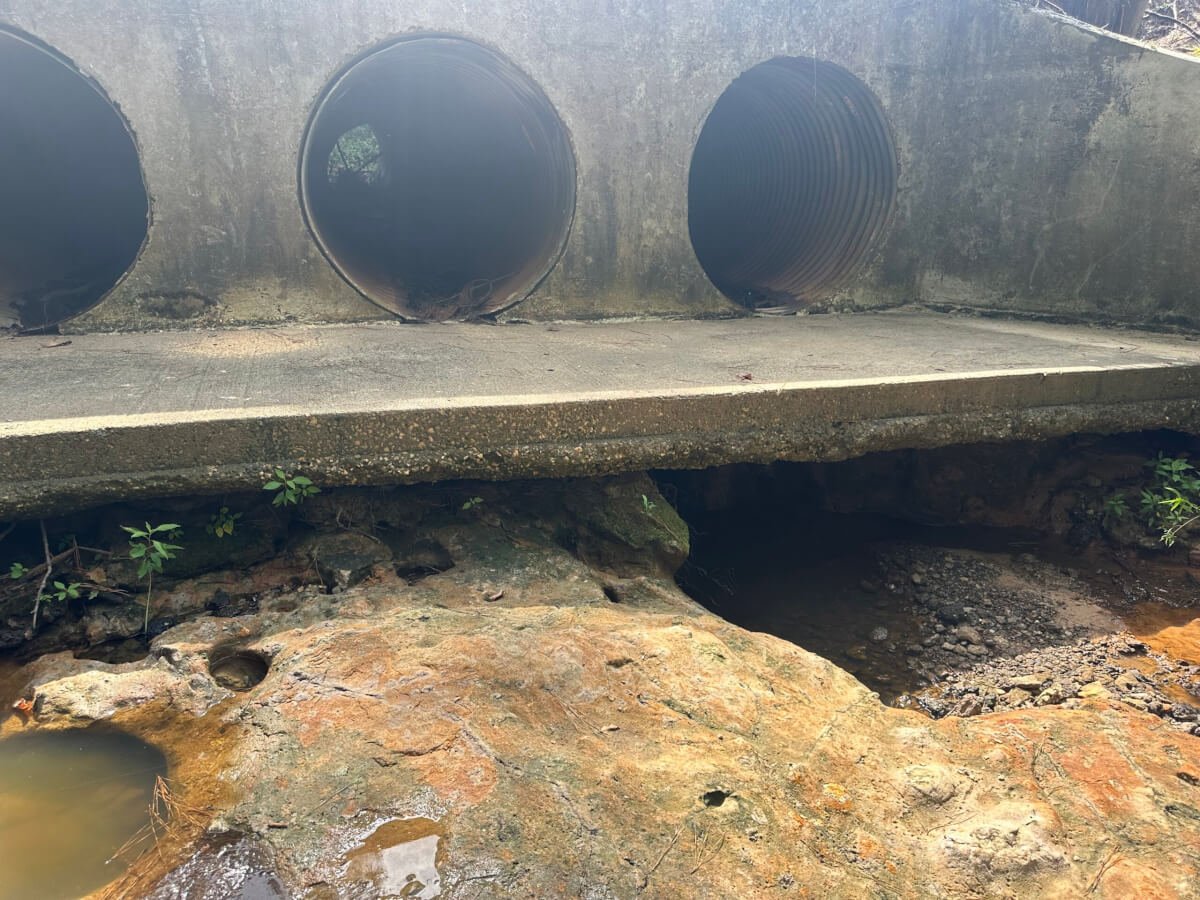
The problem is not usually the pipe itself. The real issue is what happens around the pipe, primarily water erosion and soil loss.
Over time, soil erosion, water movement, and poor compaction can create empty spaces, or voids, around culvert pipes. These voids weaken support, allowing the ground above to settle, crack, or collapse. In severe cases, this leads to sinkholes, roadway damage, or complete culvert failure.
What Causes Voids Around Culvert Pipes
Voids do not appear overnight. They develop gradually, often out of sight, until visible damage occurs and gets noticed by landowners, property management or general contractors.
The most common causes include:
1. Water Erosion
During heavy rains, fast-moving storm water can wash away soil around and beneath culvert pipes, especially if drainage was poorly designed or improperly compacted during installation.
2. Poor Backfill Compaction
If the soil surrounding the culvert was not compacted correctly during installation, it will naturally settle over time. This settlement leaves gaps that allow water to accelerate erosion.
3. Soil Type and Conditions
In the Houston area, expansive clay soils expand when wet and shrink when dry. This constant movement creates pathways for water to enter and carry soil away from the pipe.
4. Aging Infrastructure
Older culverts were often installed using outdated methods. As materials age and soil shifts, voids naturally form around joints, seams, and pipe bedding.
Why Ignoring Culvert Voids Is Risky
Voids around culvert pipes are not just a cosmetic problem. They represent a serious structural risk.
Unaddressed voids can lead to:
-
Sinkholes forming around the pipe
-
Cracking or collapse of pavement and concrete pathways or structures
-
Roadway or driveway failure
-
Increased erosion downstream
-
Costly emergency repairs
Once a surface collapses, repair costs often multiply significantly. What could have been a targeted stabilization project often turns into excavation, pipe replacement, and surface reconstruction.
Traditional Repair Methods and Their Limitations
Historically, repairing voids and holes around culvert pipes meant total excavation. Crews would dig around the pipe, remove damaged soil, and refill the area with compacted material. While effective, this approach is disruptive, time-consuming, and expensive.
Excavation-based repairs often involve:
-
Road or driveway closures
-
Heavy equipment access
-
Surface demolition and replacement
-
Extended downtime and inconveniences
In many cases, the pipe itself is still structurally sound. The real issue is the loss of soil support around it. That is where modern stabilization methods come in.
How PolyTex Concrete Stabilizes Culvert Voids
PolyTex Concrete uses polyurethane foam injection to fill voids around culvert pipes without excavation. This method allows crews to stabilize soil, restore support around the culvert, and prevent future erosion with minimal surface disruption.
Here is how the Polytex Concrete process works.
Step 1: Site Evaluation and Void Detection
Every project starts with a thorough inspection. PolyTex technicians assess:
-
Surface settlement patterns
-
Water flow direction and volume
-
Signs of erosion near pipe inlets and outlets
-
Soil conditions surrounding the culvert
In many cases, voids are detected before visible collapse occurs, allowing for preventative stabilization.
Step 2: Strategic Injection Point Placement
Small access points are drilled near the culvert pipe. These points allow foam to be injected precisely where voids exist. The goal is to fill gaps without over-pressurizing the area or shifting the pipe. Our experienced team knows exactly where and how much material to inject. Injection locations are carefully planned to ensure even distribution and full coverage.
Step 3: Polyurethane Foam Injection
A two-part polyurethane foam is injected into the voids surrounding the culvert. As the foam expands, it:
-
Fills empty spaces
-
Compacts loose soil
-
Seals erosion pathways
-
Creates a stable support area
The foam is lightweight, meaning it does not add stress to already compromised soil. Once cured, it is waterproof and resistant to future washout without negatively impacting the environment.
Step 4: Final Stabilization and Inspection
After injection, the area is inspected to confirm stabilization. In many cases, the surface above the culvert can be used immediately, with no need for extended curing time. Because the foam hardens quickly, projects that once took days can now be completed in hours instead of days or even weeks with traditional excavation methods.
Benefits of Foam Injection for Culvert Repairs
Using polyurethane foam to fill culvert voids offers several advantages:
-
Little to no excavation required
-
Minimal disruption to traffic or access
-
Faster project completion
-
Long-term soil stabilization
-
Waterproof and erosion-resistant material
-
Cost-effective compared to replacement
For municipalities, commercial property owners, and private landowners, this approach minimizes downtime while extending the life of existing infrastructure.
Where Culvert Void Filling Is Commonly Needed
PolyTex Concrete frequently performs culvert stabilization for:
-
Roadway drainage systems
-
Driveways crossing drainage ditches
-
Commercial parking lots
-
Private access roads
-
Retention ponds and storm channels
-
Agricultural and rural properties
- Railroad properties and crossings
Any location where water regularly passes through a culvert is a candidate for void formation.
Why Houston-Area Properties Are Especially Vulnerable
Houston’s combination of heavy rainfall, flat terrain, and clay soils creates ideal conditions for erosion around culvert pipes. Storms can move large volumes of water quickly, especially during seasonal downpours. Without proper stabilization, even newer culverts can develop voids within a few years of intial installation.
PolyTex understands these regional challenges and designs repairs specifically for Gulf Coast soil behavior and storm water patterns.
Contact Us
Voids around culvert pipes are a hidden threat that can quickly turn into visible damage. Addressing them early protects roadways, driveways, and surrounding structures while avoiding costly emergency repairs. PolyTex Concrete provides non-invasive, long-lasting solutions for culvert void filling and soil stabilization throughout the Houston area. By targeting the problem beneath the surface, they help property owners and municipalities protect critical drainage infrastructure.
If you suspect erosion or settlement near a culvert, acting now can save significant time and expense later.