
How PolyTex Concrete Restores Stability After Severe Weather
Why Storm Damage Is More Than a Surface Problem
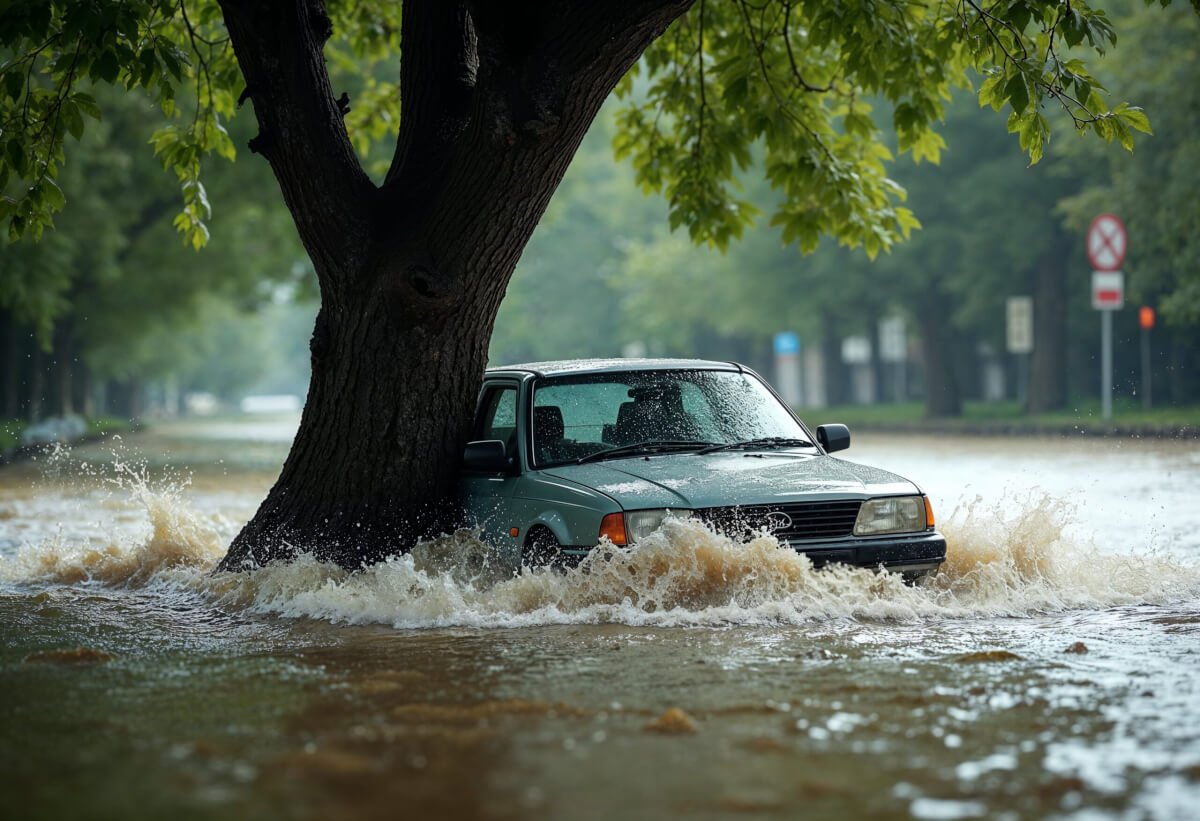
When severe storms roll through the Houston area, the damage is not always obvious right away. While fallen branches and standing water get immediate attention, the real issues often happen underground and out-of-sight. Heavy rainfall, rapid runoff, and saturated soil can quietly undermine concrete slabs, driveways, sidewalks, culvert pipes and foundations. Storm damage does not just crack concrete, it often removes the soil that supports the entire slab or structure. Once that support is gone, the slabs begin to sink, shift, or separate and without proper repair, the damage compounds with each additional storm.
How Storms Cause Concrete and Soil Failure
Storm-related concrete damage typically stems from a few key factors, including:
Excessive Water Flow
During intense rain events and flashflooding, water moves faster and in greater volumes than normal. That force erodes soil beneath slabs, around foundations and culvert pipes, and near retaining structures and bulkheads.
Saturated Soil Conditions
When clay-heavy soil (like those found near Houston and The Woodlands) becomes oversaturated, it loses strength and as a result, water drains away, the soil contracts, leaving voids beneath concrete.
Poor Drainage Systems
Downspouts, culverts, and drainage channels that cannot handle storm volume often redirect water toward concrete surfaces, accelerating erosion and soil loss. This leaves behind large voids and unstable ground.
Repeated Storm Cycles
One storm may not cause visible damage, however, multiple storms over weeks or months slowly wash out soil until settlement becomes obvious.
Common Signs of Storm-Related Concrete Damage
After major storms, property owners and property managers should watch for:
-
New cracks in driveways or sidewalks
-
Uneven or sunken concrete slabs
-
Pooling water in areas that previously drained well
-
Soil erosion near slab edges, bulkheads or retaining walls
These symptoms indicate that the problem is beneath the surface and not just cosmetic damage.
Why Traditional Repairs Often Fail After Storms
Many storm damage repairs focus on surface fixes. The issue is that none of these approaches address the missing soil underneath. Replacing concrete without stabilizing the sublayers often leads to repeat failure. Eventually, the new slab settles into the same voids and owners end up back where they started.
How PolyTex Concrete Repairs Storm Damage Differently
PolyTex Concrete focuses on restoring structural support, not just appearance and surface damages. Their storm damage repair process targets the voids and loose soil created by water movement and erosion.
Using polyurethane foam injection, PolyTex Concrete:
-
Fills voids caused by erosion
-
Compacts weak or washed-out soil
-
Lifts sunken and uneven concrete back to a level and safe grade
-
Seals pathways that allow future water intrusion
The result is a stabilized slab that resists further settlement.
Why Polyurethane Foam Is Ideal for Storm Repairs
Polyurethane injection offers advantages that make it especially effective after storms:
-
Waterproof and resistant to future washout
-
Lightweight, so it does not overload weakened soil
-
Expands to fill irregular voids completely
-
Cures quickly, allowing immediate use and minimized down time
This makes it a long-term solution for properties affected by recurring heavy rainfall and soil loss.
Where Storm Damage Repairs Are Most Common
PolyTex frequently repairs storm damage in:
-
Driveways near downspouts or street runoff
-
Sidewalks along sloped terrain
-
Garage slabs and entryways
- Around pools and outdoor living spaces
-
Commercial walkways and loading areas
-
Properties near bayous, ponds, or retention basins
- Near bulkheads and seawalls
These areas experience concentrated water flow during storms.
Preventing Future Storm Damage
While no property is immune to severe weather, proactive repairs reduce future risk. PolyTex often recommends:
-
Redirecting downspouts
-
Improving grading near slabs
-
Stabilizing soil around vulnerable areas
Addressing these factors alongside repairs helps concrete stay level longer.
Contact Us
Storm damage does not have to mean tearing out concrete. With the right approach, eroded soil and sunken slabs can be stabilized quickly and effectively. PolyTex Concrete provides Houston-area property owners with storm damage repair solutions that restore stability, protect structures, and reduce long-term maintenance costs.