
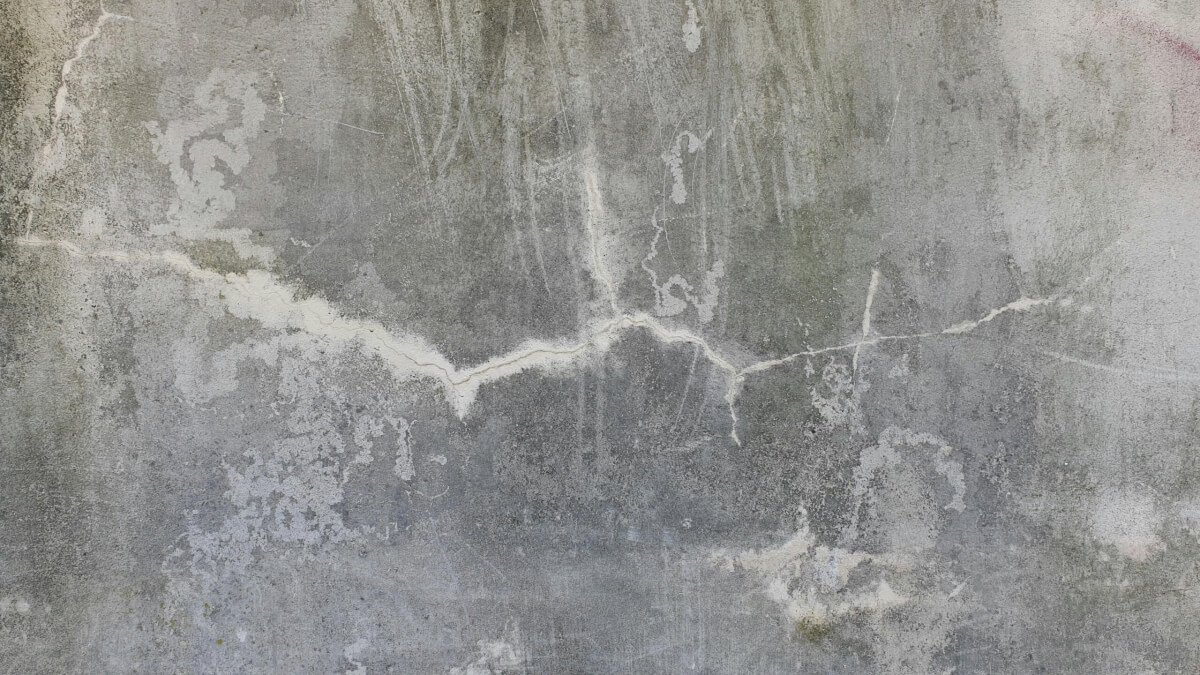
Concrete slabs often begin to fail long before the signs become obvious. Shifting soil, moisture changes, or void formation below the surface slowly start to compromise stability. On the surface, it may still look intact, but the material underneath starts to move in ways that the eye can’t immediately track.
When surface contact is lost, pressure redistributes. That shift may not seem dramatic at first, but it introduces stress that grows over time. Property owners who know what to look for can intervene early, avoid larger repairs, and keep their sites functioning safely.
These early clues don’t always demand replacement. Many can be resolved with precise evaluation and repair. The key is to catch them while the slab is still intact. Paying attention to subtle changes is the first step toward long-term support.
Loss of Surface Stability
One of the earliest signs of slab failure is a change in how the surface feels. You might notice a section that dips slightly or feels unstable underfoot. That difference, even if small, often points to a shift in the ground below. When support weakens, the slab begins to move in subtle ways that change how people or equipment interact with it.
Sound can also point to a problem. A hollow sound when walked on may suggest that air pockets have formed beneath the surface. These voids often develop as soil moves away from the slab or erodes under repeated use. When the material beneath loses contact with the concrete above, it creates instability that only gets worse with pressure or traffic.
These signs tend to appear before visible damage does. A surface that once felt solid may start to flex or give way slightly, even if it hasn’t cracked yet. Recognizing these changes early makes it possible to reinforce the slab before structural damage spreads.
Cracking Patterns That Worsen Over Time
Not all cracks in a slab are necessarily a cause for concern, but some do point to deeper issues. Superficial cracks tend to stay the same over time and often appear as narrow surface lines. These can result from minor shrinkage during curing or regular wear. Structural cracks, on the other hand, change. They may widen, deepen, or branch out across the slab.
Movement below the surface is usually what causes these cracks to grow. As support shifts, the slab stretches or sinks unevenly. Cracks that run in jagged or diagonal lines, or those that reappear after being patched, often trace back to changes in the soil or void formation.
One of the most helpful things a property owner can do is document visible cracks as they appear. Photos, measurements, and notes on when changes happen can make patterns easier to spot. This type of tracking also gives repair professionals the information they need to assess the problem accurately and respond before more damage sets in.
Drainage and Pooling Around the Slab
Water that lingers near the edges of a slab can be an early sign of uneven settling or loss of soil support. Concrete is porous and heavy, and it depends on solid, dry ground to hold its shape. When that ground shifts or washes away, water starts to collect in low spots such as near joints, corners, or transitions.
Poor drainage speeds up this process. Downspouts that release water too close to the foundation, sloped ground that directs runoff toward the slab, or damaged irrigation lines all contribute to the problem. As water moves through the soil, it pulls fine particles with it. Over time, this creates empty spaces beneath the slab where concrete used to rest on compacted earth.
Preventing this kind of erosion starts with managing how water flows on and around the site. Well-placed drains, slope corrections, and regular checks during heavy weather can all help maintain ground stability. If pooling becomes frequent or begins to change the shape of the surface, it’s time to bring in a team that can evaluate what’s happening beneath and provide reinforcement before structural damage spreads.
Doors, Gates, and Equipment No Longer Aligning
When a concrete slab starts to shift, connected structures usually begin to show changes as well. Doors that once shut cleanly might start to stick. Gates may feel off-center or begin to scrape along their path. Loading pads can tilt slightly, making equipment harder to align or operate.
These signs often appear gradually. As the slab moves, stress builds at contact points. Hinges, frames, and joints take on that extra strain. It becomes harder to keep things moving smoothly, and alignment issues show up in places that used to work without a second thought.
Even small shifts at ground level can affect how nearby systems perform. Equipment doesn’t settle the same way. Ramps no longer feel consistent underfoot. Over time, those subtle changes create wear across the entire site. Tracking these differences early gives you time to plan a targeted repair and avoid disruption to daily use. A site evaluation can confirm whether the slab needs attention and point to the best way forward.
What to Do if You Suspect a Problem
If something feels different, like a slab moving under pressure or walkways that no longer feel stable, it’s time to take a closer look. These changes often reflect what’s happening beneath the surface, even if the concrete still looks intact.
A professional evaluation brings clarity without tearing anything up. Tools like ground-penetrating radar or pressure testing help locate shifts, gaps, or settling points that can’t be seen from above. The process is quick and doesn’t interrupt regular use of the space.
When caught early, these issues can often be corrected with minimal effort. High-density foam injection reestablishes contact between the slab and the ground. It lifts gently, fills gaps precisely, and holds firm against future movement without excavation or demolition.
Taking action before the damage grows helps maintain safety and reduces the chance of needing major repairs later on. It also keeps your site functioning the way it should. If the surface starts to feel less predictable, scheduling an evaluation is a smart next step.
Protect the Slab Before It Fails
Small surface changes often point to deeper shifts in stability. When concrete starts to feel uneven or water begins pooling where it didn’t before, it’s worth taking a closer look. These early signs are easier to correct when the slab is still intact.
Polytex provides site-specific solutions that strengthen concrete slabs and preserve long-term performance. Our team evaluates each site with care and uses precise, low-disruption techniques to restore support where it’s needed.
If something on your property feels off, whether underfoot or around key structures, we’re here to help. Reach out to schedule an evaluation and get expert support that reinforces your concrete before the damage spreads.