
Polyurethane vs. Mudjacking: Which is Best forLeveling Concrete?
Compare polyurethane foam leveling with traditional mudjacking to choose the best solution for your
concrete repair needs.
When your driveway, walkway, or foundation begins to sink, two common repair options emerge:
mudjacking and polyurethane foam lifting.
So which is better? Let’s break it down.
Mudjacking: This older method involves drilling large holes into the slab and pumping a slurry of water,
soil, and cement underneath. The pressure lifts the slab, but the material is heavy and may eventually
settle again.
Pros:
– Lower initial cost
– Familiar method for many contractors
Cons:
– Larger holes (1.5–2 inches) left behind
– Adds significant weight to already failing soil
– Longer cure time (1–2 days)
– Less precision in leveling
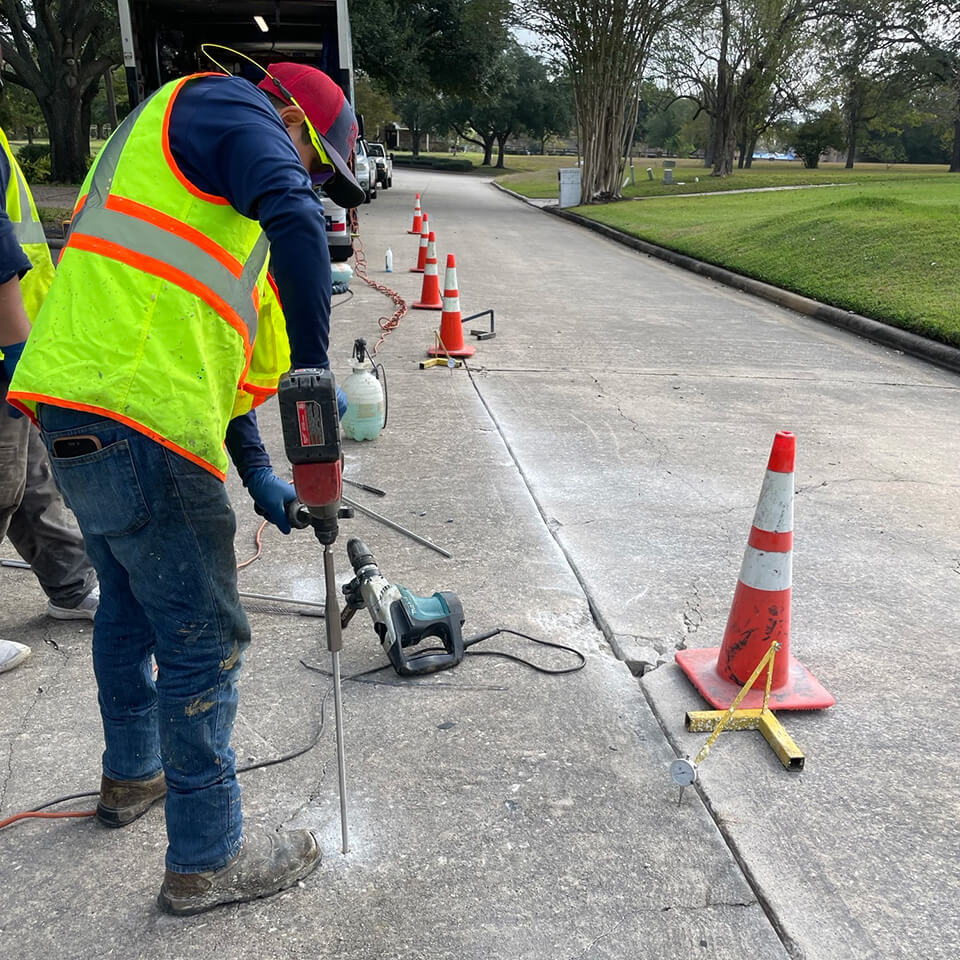
Polyurethane Foam Lifting: This modern alternative uses lightweight expanding foam injected through
small holes (penny-sized). It fills voids and lifts the slab within minutes.
Pros:
– Lightweight and won’t worsen soil issues
– Cures in minutes, not days
– Smaller drill holes for cleaner finish
– Long-lasting and waterproof
– Highly precise lift control
Cons:
– Slightly higher cost upfront
Cost Comparison in Houston: Mudjacking might range $3–6 per square foot, while polyurethane
averages $5–9 depending on depth and access. Foam usually provides more value long-term.
Best Use Cases: Use polyurethane for pool decks, driveways, garage slabs, and places where
aesthetics, durability, and precision matter.
Let’s Talk: Not sure which is right for you? Our team at PolyTex will inspect your site and recommend
the best option with unwanted pressure.