
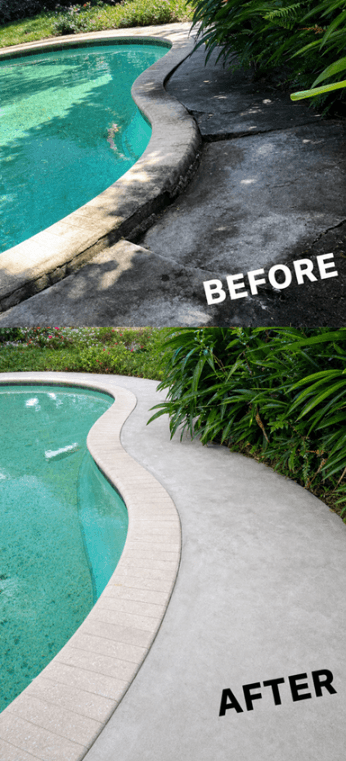
A swimming pool is often the centerpiece of a backyard. It’s where families gather, children play, friends entertain, and memories are made throughout the year. But when the concrete surrounding your pool begins to settle, that enjoyable space can quickly become a safety concern and even an eye-sore. Uneven pool decks create trip hazards, allow water to collect in unwanted areas, and may indicate changing soil conditions beneath the surface. While many homeowners assume damaged pool decks require complete replacement, that’s often not the case.
Across Houston, Galveston, Conroe, The Woodlands, and surrounding Southeast Texas communities, pool deck settlement is frequently caused by shifting soil, underground erosion, and moisture changes—not failing concrete. Understanding why pool decks move is the first step toward choosing the right repair.
Why Pool Decks Are Especially Vulnerable to Settlement
Every concrete slab depends on stable soil for support. Pool decks face additional challenges because they are constantly exposed to water.
Unlike driveways that only experience rain, pool decks are routinely subjected to:
- Splashing water
- Overflow from the pool
- Pool maintenance
- Heavy rainstorms
- Irrigation systems
- Changing groundwater conditions
Over time, this moisture works its way beneath the concrete. As water moves through the supporting soils, it can gradually wash away fine particles and create hidden voids beneath the slab. Eventually, the concrete settles into those empty spaces and creates an uneven walking surface.
Houston’s Soil Makes the Problem Worse
Throughout much of Southeast Texas, expansive clay soils create a constantly changing foundation beneath concrete. During wet periods, clay absorbs moisture and expand, but during dry weather, it contracts.
These cycles continue year after year, causing the soil beneath pool decks to move even when the concrete itself remains structurally sound. Because pool decks are exposed to water more frequently than many other outdoor surfaces, they often experience these moisture fluctuations more intensely.
Warning Signs Your Pool Deck May Be Settling
Settlement usually develops gradually which leads to many homeowners notice subtle changes long before major movement occurs.
Watch for:
- Uneven sections of concrete
- Trip hazards between slabs
- Standing water after rain
- Water draining toward the pool
- Gaps beneath slab edges
- Cracks that continue growing
- Areas that feel lower than the surrounding deck
Even relatively small elevation differences can become dangerous when the concrete is wet.
Why Uneven Pool Decks Are a Safety Hazard
Pool decks naturally become slippery, so when uneven concrete is added to the equation, the risk of falls increases significantly.
Trip hazards around a swimming pool are especially concerning because:
- Bare feet have less protection.
- Wet surfaces reduce traction.
- Children often run around the pool.
- Guests may not notice small elevation changes.
- Falls near water can result in more serious injuries.
Repairing settled concrete isn’t just about appearance. It’s about creating a safer environment for everyone using the space.
Settlement Can Affect More Than the Deck
Many homeowners assume only the pool deck has moved. In reality, settlement sometimes indicates broader soil movement across the property.
The same conditions affecting the deck may also influence:
- Patios
- Sidewalks
- Driveways
- Outdoor kitchens
- Retaining walls
- Foundations
Evaluating the surrounding site helps determine whether the issue is isolated or part of a larger drainage or soil stabilization concern.
Does a Settling Pool Deck Mean the Pool Is Failing?
The pool structure and the surrounding concrete are separate systems. Many settling pool decks occur while the pool itself remains structurally sound. However, significant movement should always be evaluated to determine whether settlement is limited to the deck or affecting adjacent structures.
Understanding the cause allows property owners to make informed repair decisions before additional movement occurs.
Why Replacement Isn’t Always Necessary
It’s common for homeowners to assume uneven concrete must be demolished. Often however, the concrete itself remains in excellent condition. The supporting soil is what has changed. If the slab is structurally sound, restoring support beneath it may provide a practical alternative to replacement. This approach preserves existing concrete while addressing the underlying cause of settlement.
How Polyurethane Concrete Leveling Repairs Pool Decks
Polyurethane concrete leveling restores support beneath settled slabs without removing the existing concrete.
The repair process generally includes:
- Evaluating settlement patterns
- Locating underground voids
- Drilling small access holes
- Injecting expanding structural polyurethane foam
- Filling hidden voids
- Stabilizing weakened soils
- Carefully lifting the slab
- Restoring proper support
Because the foam expands beneath the concrete, it helps restore contact between the slab and the supporting soils. The result is a safer, more level walking surface with minimal disruption to the surrounding landscape.
Benefits of Repairing Instead of Replacing
When the existing concrete is structurally sound, leveling offers several important advantages.
Less Disruption
There is no need to demolish the existing deck or haul away concrete debris.
Faster Project Completion
Many repairs can be completed in a single day, allowing homeowners to return to normal use much sooner than a full replacement project.
Preserves Existing Concrete
Decorative finishes, stamped concrete, and custom pool deck designs can often be retained.
Improves Safety
Reducing trip hazards creates a safer environment for family members and guests.
Restores Proper Drainage
Correcting settlement often improves surface drainage, helping reduce standing water around the pool.
Preventing Future Settlement
While no outdoor concrete is immune to changing soil conditions, homeowners can help reduce future movement by:
- Directing downspouts away from the pool deck
- Maintaining proper yard drainage
- Repairing irrigation leaks promptly
- Monitoring areas where water consistently collects
- Addressing small settlement issues before they worsen
These practices help preserve the supporting soils beneath the concrete.
Why Local Experience Matters
Repairing pool decks in Southeast Texas requires more than simply lifting concrete. Technicians must understand how expansive clay soils, seasonal rainfall, and underground water movement affect long-term stability. PolyTex evaluates each project individually, identifying the causes of settlement before recommending the most appropriate repair strategy. By focusing on soil stabilization as well as slab elevation, repairs are designed to address the underlying issue rather than simply correcting the visible symptom.
Final Thoughts
A sinking pool deck doesn’t automatically mean it’s time for demolition. In many cases, the concrete itself remains structurally sound while the supporting soil has changed due to moisture, erosion, or natural settlement.
Polyurethane concrete leveling offers homeowners throughout Houston, Galveston, Conroe, The Woodlands, and surrounding Southeast Texas an efficient way to restore safety, improve appearance, and stabilize the ground beneath existing concrete.
If you’ve noticed uneven sections of your pool deck, growing cracks, or water collecting where it never did before, schedule a free evaluation with PolyTex Concrete. Identifying and correcting the cause of settlement early can help preserve your outdoor living space and prevent more extensive repairs in the future.