
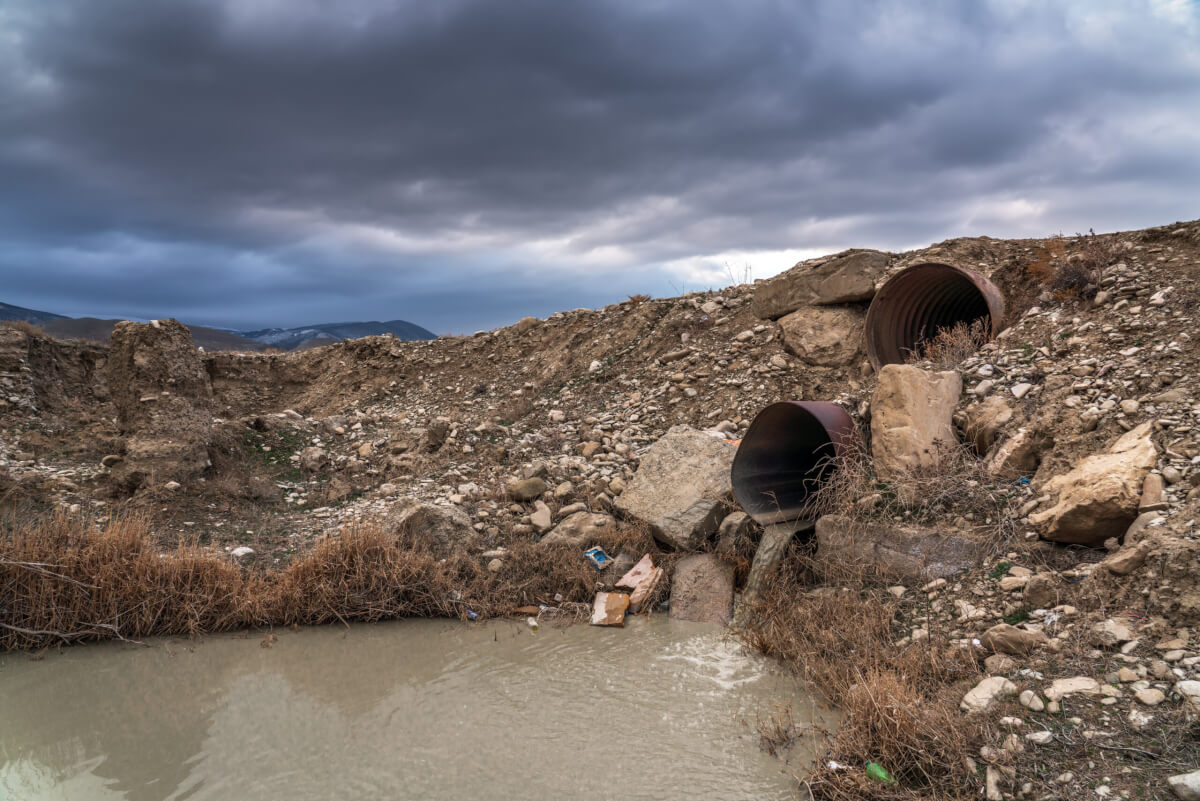
Why Culvert Erosion Is a Serious Structural Concern
Culvert pipes are a critical part of storm water management systems across Houston, Galveston, Conroe, and surrounding areas. They allow water to flow safely beneath roads, driveways, parking lots, and access points without damaging the surface above. However, while the pipe itself may remain intact, the soil surrounding it often becomes the weak point. Soil erosion around culvert pipes can lead to void formation, loss of structural support, and eventually surface failure. What begins as minor erosion can quickly develop into sinkholes, pavement collapse, or costly infrastructure damage. Addressing erosion early is essential to maintaining both safety and long-term performance.
What Causes Soil Erosion Around Culvert Pipes
Several factors contribute to soil loss around culverts, especially in Southeast Texas where weather and soil conditions are constantly changing.
Heavy Storm Water Flow
Houston and Galveston experience intense rainfall events that move large volumes of water in a short time. Fast-moving water can wash away soil surrounding the culvert.
Improper Backfill Compaction
If the soil around the pipe was not compacted properly during installation, it becomes more susceptible to erosion and settlement.
Soil Type and Conditions
Houston’s clay soil expands and contracts with moisture, while Galveston’s sandy soil shifts easily under water flow. Both conditions create opportunities for voids to form.
Drainage Issues
Poorly designed or clogged drainage systems can concentrate water flow near culvert pipes, accelerating erosion.
Aging Infrastructure
Over time, joints loosen and materials degrade, allowing water to infiltrate and carry soil away.
Warning Signs of Culvert Soil Erosion
Culvert problems often develop below the surface before becoming visible. Recognizing early warning signs can prevent more serious damage.
What to look for:
- Sinkholes or depressions near culvert openings
- Cracks in pavement or concrete above the pipe
- Soil pulling away from the culvert inlet or outlet
- Standing water in areas that previously drained well
- Uneven driveways or access roads
- Erosion around the edges of drainage channels
These indicators suggest that soil support is being lost beneath the surface, a common problem in the Houston, TX area.
The Risks of Ignoring Culvert Erosion
When erosion is not addressed, the problem continues to grow with each storm and each passing season.
Potential consequences include:
- Collapse of driveways or roadways
- Increased repair costs over time
- Damage to surrounding structures
- Disruption of drainage systems
- Safety hazards for vehicles and pedestrians
What could have been a targeted stabilization project can quickly turn into full reconstruction.
Traditional Repair Methods and Their Limitations
Historically, repairing culvert erosion required excavation and full replacement. Crews would dig around the pipe, remove damaged soil, and replace it with compacted material.
While effective, this approach has several drawbacks:
- Disruption to traffic and access
- Higher labor and equipment costs
- Damage to surrounding property or landscaping
- Longer project timelines
- Increased complexity for municipal and commercial sites
In many cases, the pipe itself does not need replacement. The issue is the loss of soil support.
How PolyTex Concrete Restores and Stabilizes Culverts
PolyTex Concrete uses polyurethane foam injection to stabilize soil and fill voids around culvert pipes without excavation.
The process includes:
Inspection and Evaluation
Technicians assess the extent of erosion, identify void locations, and evaluate drainage patterns.
Targeted Injection Points
Small holes are drilled near the culvert to access void areas.
Foam Injection and Expansion
Polyurethane foam is injected beneath the surface. As it expands, it fills empty spaces and compacts loose soil.
Stabilization and Support Restoration
The foam creates a stable, load-bearing support system around the pipe.
This method restores structural integrity while minimizing disruption.
Benefits of Foam Injection for Culvert Stabilization
Polyurethane foam offers several advantages over traditional repair methods:
- Minimal excavation required
- Faster project completion
- Reduced disruption to traffic and operations
- Waterproof material that resists future erosion
- Lightweight support that does not overstress soil
- Long-term stabilization
These benefits make it ideal for both residential and commercial applications.
Applications Across Houston and Galveston
PolyTex provides culvert stabilization services for:
Residential Properties
- Driveway culverts
- Private drainage systems
- Rural and agricultural crossings
Commercial Properties
- Parking lot drainage
- Access roads
- Industrial sites
Municipal Infrastructure
- Roadway culverts
- Storm drainage systems
- Public works projects
Each application requires a tailored approach based on soil conditions and water flow patterns.
Preventing Future Erosion
Repairing existing voids is only part of the solution, but preventing future erosion is just as important. PolyTex evaluates contributing factors such as:
- Water flow direction
- Drainage system performance
- Soil conditions around the culvert
- Areas prone to repeated erosion
Addressing these factors helps extend the life of the repair.
The Importance of Acting Early
If you identify a problem, or believe you might have early signs of erosion around a culvert, the time to act is now. Early intervention provides:
- Lower repair costs
- Reduced risk of structural failure
- Improved safety
- Longer infrastructure lifespan
Waiting often leads to more extensive and expensive repairs.
Final Thoughts
Soil erosion around culvert pipes is a hidden but serious issue for properties across Houston, Galveston, and surrounding areas. What begins as minor soil loss can quickly escalate into major structural problems. PolyTex Concrete provides efficient, non-invasive solutions to restore and stabilize culverts using polyurethane foam injection. By filling voids and reinforcing soil, they help protect roadways, driveways, and drainage systems from further damage.
If you have noticed signs of erosion or settlement near a culvert, addressing the issue early can prevent much larger repairs in the future. Our team of customer service experts is here to help you identify a problem, schedule your free quote, and offer you a quality, long-term solution. Contact PolyTex Concrete today.