
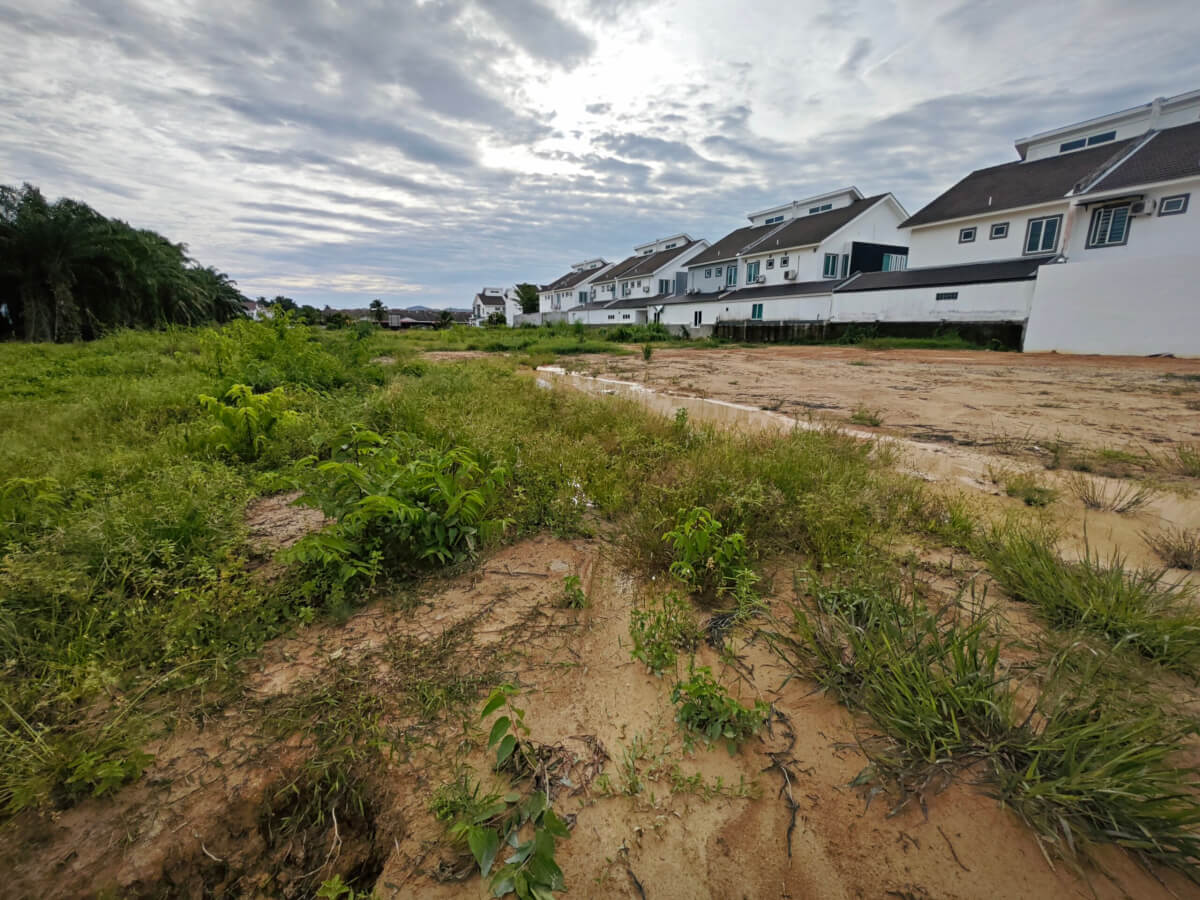
Soil erosion is one of the most common causes of concrete settlement across Houston, Galveston, and surrounding areas. While many property owners notice cracks or sinking slabs, the real issue is usually hidden beneath the surface.
When water moves through soil, it gradually carries material away. Over time, this creates empty spaces beneath concrete slabs, driveways, sidewalks, roadways, and other structures. These empty spaces, commonly called voids, weaken the support system beneath the concrete. As the voids grow, the concrete above begins to sink, crack, or shift.
Poly injection has become one of the most effective ways to address this problem because it not only lifts the slab, but also fills the voids and stabilizes the soil beneath it.
How Soil Erosion Creates Voids
Most voids develop slowly over time. In Southeast Texas, heavy rain and drainage problems accelerate the process.
Common causes include:
- Storm water runoff beneath slabs
- Poor drainage around foundations and driveways
- Expansive clay soil shrinking and swelling
- Water infiltration around culvert pipes
- Poor compaction during construction
As water moves through the ground, it carries soil particles away and leaves gaps beneath the surface.
Why Voids Become Dangerous
At first, a void may not cause noticeable problems. Eventually, however, the concrete above loses enough support that it begins to settle.
This can lead to:
- Uneven concrete surfaces
- Trip hazards
- Cracks in slabs
- Pooling water
- Structural instability
If ignored, the damage becomes more severe and more expensive to repair.
How Poly Injection Solves the Problem
Poly injection works by filling the empty spaces beneath the slab with expanding polyurethane foam.
The process includes:
Inspection and evaluation of the affected area
Drilling small access holes into the slab
Injecting foam beneath the surface
Filling voids and compacting loose soil
Lifting the slab back into position
As the foam expands, it stabilizes the surrounding soil and restores support beneath the concrete.
Why This Method Works So Well
Unlike older repair methods, poly injection addresses both the visible settlement and the hidden soil instability beneath it.
Benefits include:
- Fast installation
- Minimal disruption
- Waterproof material that resists erosion
- Lightweight support that does not overstress soil
- Long-term stabilization
The result is a more durable repair designed to hold up against future soil movement.
Where Poly Injection Is Commonly Used
PolyTex uses poly injection to stabilize:
- Residential driveways and sidewalks
- Pool decks and patios
- Commercial slabs and loading docks
- Warehouse floors
- Culvert pipe surroundings
- Municipal infrastructure
Because the process is versatile, it can be adapted to many different types of properties.
Why Houston and Galveston Properties Are Especially Vulnerable
Properties throughout Southeast Texas experience frequent soil movement due to heavy rainfall and changing moisture conditions. In the Houston, TX area specifically, expansive clay soil constantly expands and contracts. However, the soil in Galveston is more sandy and shifts more easily under water flow. These conditions create ideal environments for void formation and settlement.
PolyTex Concrete Leveling understands how to stabilize these regional soil conditions and prevent further erosion beneath slabs.
Final Thoughts
Voids caused by soil erosion are a hidden problem that often leads to visible damage. Addressing the issue early helps prevent larger structural failures and more expensive repairs. PolyTex Concrete uses advanced poly injection methods to fill voids, stabilize soil, and restore support beneath concrete surfaces across Houston and Galveston.
If you have noticed uneven concrete or signs of settlement, the issue may start below the surface. Stabilizing the soil now can protect your property long-term. Call PolyTex Concrete Leveling today!