
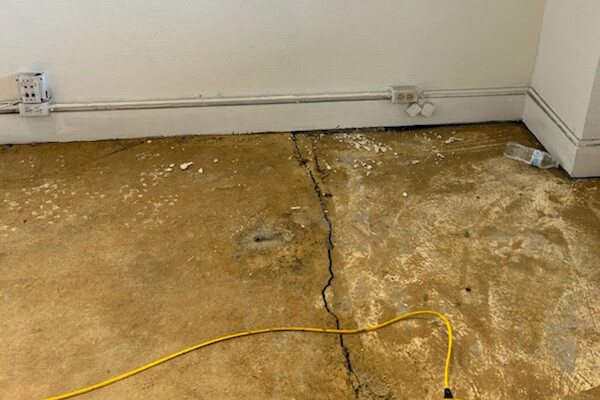
What causes concrete slabs to sink in Texas?
Learn the top causes of concrete slab sinking in Houston and what you can do to prevent structural
damage.
In Texas, the soil beneath your home, driveway, or sidewalk is constantly expanding, contracting,
shifting, and settling. That’s why concrete slabs tend to sink, especially in places like Houston,
Conroe, and The Woodlands, where climate and soil conditions make movement inevitable.
Let’s take a closer look at why slabs sink and what you can do about it.
1. Expansive Clay Soil – Much of the soil across Texas is clay-heavy. During dry seasons, this clay
contracts, and in wet seasons, it expands. Over time, this back-and-forth creates gaps or voids
underneath your concrete, leading to instability.
2. Erosion and Water Damage – Poor drainage or leaking irrigation lines can slowly erode the soil
under a slab. This removes support from underneath the concrete, leading to sinking or cracking.
3. Poorly Compacted Fill – When builders pour concrete over loosely compacted fill, that material
eventually compresses under the slab’s weight. This results in uneven settling.
4. Tree Roots and Organic Breakdown – Nearby trees can cause soil displacement, and if organic
material under your slab decomposes, it leaves voids.
Common Signs of Sinking Concrete:
– Uneven surfaces or trip hazards
– Cracks that grow over time
– Pooling water after rain
– Doors and windows sticking
– Gaps between the concrete and adjacent structures
How PolyTex Fixes It: We use polyurethane foam injection, a fast, non-invasive technique that fills
voids, lifts slabs back into place, and cures within minutes. It’s cleaner, more durable, and
longer-lasting than traditional mudjacking.
Need an inspection? Contact PolyTex Concrete today for a free on-site estimate.