
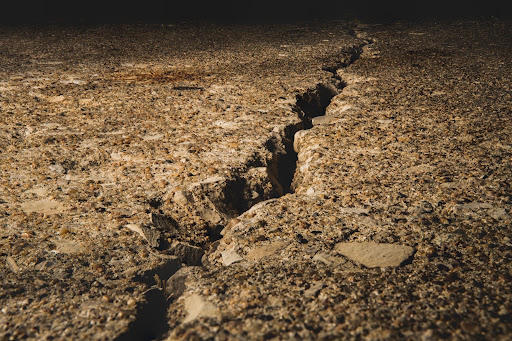
Seeing a small gap beneath the edge of a driveway or sidewalk may not seem like an urgent problem. Maybe you notice dirt missing beneath one corner of the patio after a heavy storm, or you can suddenly see underneath a section of your pool deck that used to sit firmly against the ground. It is tempting to grab a bag of dirt, fill the opening, and move on. The problem is that the small opening you can see may represent only a portion of what is happening beneath the concrete.
When soil begins washing out from under a slab, water may be carrying away the material the concrete depends on for support. As that process continues, an underground void can grow farther beneath the slab than what is visible from the outside. Eventually, the concrete may begin to settle, crack, or become uneven. For homeowners throughout Houston, Conroe, The Woodlands, Galveston, and surrounding Southeast Texas communities, heavy rainfall and changing soil conditions make this an especially important issue to understand.
Concrete Needs the Soil Beneath It
Concrete is strong, but it was never intended to simply float above empty space. Driveways, sidewalks, patios, pool decks, and other residential slabs depend on the soil and base materials beneath them to distribute loads and provide consistent support.
When soil disappears from one area, the concrete above may initially remain in place because the slab can bridge across a relatively small unsupported space. That can create a false sense of security. The surface still looks good, so the problem seems minor. As more soil disappears, however, the unsupported area becomes larger. The slab begins carrying loads differently, and eventually part of the concrete may move downward into the void. By the time visible settlement occurs, the underground erosion may have been developing for quite some time.
Why Does Soil Wash Out From Beneath Concrete?
Water is usually involved, but there are many ways it can reach the soil beneath a residential slab.
Houston’s intense rainstorms can send large amounts of runoff across a property in a short period of time. Roofs, driveways, patios, and other hard surfaces concentrate that water rather than allowing it to soak evenly into the ground. If drainage directs the runoff toward a slab edge, water can begin finding pathways underneath the concrete. Other potential sources include downspouts, irrigation systems, leaking plumbing, poorly graded landscaping, damaged underground drainage pipes, pool water, and runoff from neighboring areas.
Once water finds a repeatable pathway, it can begin transporting fine soil particles away from beneath the slab. Each storm may remove only a small amount, but repeated erosion can eventually create a significant void.
Downspouts Can Concentrate More Water Than You Think
Roof drainage deserves particular attention because gutters collect rainfall from a large surface area and concentrate it into relatively few discharge points. A downspout releasing water beside a driveway or patio may repeatedly saturate the same small area during every storm. If the discharge point allows water to move along or beneath the concrete, erosion can gradually develop.
Homeowners should inspect where their downspouts terminate and watch what happens during heavy rain. Water should not be disappearing beneath slab edges, creating channels through landscaping, or repeatedly collecting against concrete. If soil loss is occurring near a downspout, correcting the discharge may be just as important as repairing the soil void it helped create.
Poor Grading Can Direct Water Toward the Problem
The shape of the surrounding yard determines where surface water travels. Landscaping changes over time. Soil settles, flower beds are added, edging is installed, and new patios or walkways alter existing drainage patterns. A property that drained correctly when it was built may behave differently years later.
When the surrounding grade directs water toward concrete rather than away from it, runoff can become concentrated along slab edges. Once a small erosion channel develops, future storms tend to follow the same path, gradually carrying additional material away. This is why homeowners should look beyond the exact location where the soil is missing. The water may have originated much farther away.
Cracks and Joints Give Water Another Path
Water does not always enter from the outside edge of a slab. Cracks and joints can also allow moisture to reach the supporting material below. Concrete naturally contains joints, and some cracking over its life is common. The presence of a crack does not automatically mean erosion is occurring, but repeated water movement through openings can contribute to changing conditions beneath the slab.
A low area that collects water over a crack or joint deserves particular attention. Instead of draining away, water may repeatedly enter the same location and affect the soil beneath it. The visible crack and the underground support problem can then begin influencing each other.
Pool Decks Are Particularly Vulnerable
Swimming pools create a unique environment because water is constantly present. Splashing, pool overflow, landscape irrigation, rainfall, and drainage all affect the soils surrounding the pool deck. If soil begins washing away beneath the concrete, homeowners may first notice a small opening along the outer edge of the deck. Eventually, sections may begin settling and create uneven joints or trip hazards around the pool.
Backfill used during the original pool construction can also contribute to settlement if it continues consolidating over time. Because pool decks are frequently used barefoot and wet, even relatively small elevation changes can become noticeable quickly.
Driveways Can Hide Significant Soil Loss
Driveways are another common location for erosion because they collect and redirect large amounts of stormwater. They also carry vehicle loads, making proper support particularly important. A small opening along the side of a driveway may extend farther beneath the slab than expected. If vehicles continue traveling across an unsupported area, the concrete may eventually crack or settle.
Homeowners sometimes repeatedly fill these visible openings with soil or gravel, only to watch the material disappear after the next few storms. That is an important clue. If material keeps disappearing, water is likely continuing to move through the area. Adding more fill at the edge may not be addressing the underground pathway.
Sidewalks Can Lose Soil From Both Sides
Residential sidewalks and walkways are relatively narrow, which means water can affect them from several directions. Roof runoff, landscaping drainage, irrigation, driveway runoff, and natural yard slopes may all contribute. Once soil begins disappearing along one edge, support beneath the sidewalk panel can gradually diminish. The slab may eventually settle and create an uneven transition with the neighboring panel.
Property owners must pay attention because this is an example of how a drainage problem can eventually become a dangerous trip hazard. However, repairing the uneven sidewalk without understanding why support was lost can leave the underlying cause unresolved.
Patios Can Develop Voids Near the House
Patios deserve special attention because many are located directly beside the home. The soil in these areas may have been disturbed during the original construction of the house and later backfilled before the patio was installed. If water begins moving through that disturbed material, soil migration can occur beneath the patio. Homeowners may notice the slab pulling away from the house, settling at one corner, or beginning to hold water.
A low patio can also change surface drainage and direct additional water toward the house, making early evaluation worthwhile. As with other exterior slabs, patio settlement does not automatically mean the home’s structural foundation is moving. The two systems need to be evaluated based on their own conditions.
How Big Could the Void Be?
This is one of the most difficult questions to answer by looking at the slab edge. A visible opening that is only a few inches wide does not necessarily mean the void stops a few inches beneath the concrete. Water can travel farther underneath the slab and remove soil in areas that cannot be seen from the surface. Concrete may continue spanning the unsupported area until enough support is lost for settlement to become visible. That is why simply packing dirt into the opening can be misleading. The edge may look repaired while a larger unsupported area remains farther beneath the slab.
Why Does the Dirt I Add Keep Disappearing?
If you have filled the same opening multiple times and the soil keeps disappearing, pay attention. The material is going somewhere. It may be settling into an existing underground void, or continued water movement may be carrying it away. Either way, repeatedly adding soil without determining why it disappears is unlikely to provide a lasting solution.
Surface fill can be useful for restoring proper grade after the underlying problem has been addressed, but it should not be confused with stabilizing a significant void beneath concrete. The goal is to restore support where it is actually missing.
What Happens If You Ignore Soil Loss?
Not every small area of exposed concrete becomes a major repair, but active erosion tends to progress if the conditions causing it remain unchanged.
Continued soil loss can eventually contribute to:
- Sinking concrete
- Uneven slab joints
- Growing cracks
- Trip hazards
- Poor drainage
- Larger underground voids
- Increased repair scope
The concrete may also become more difficult to preserve after extensive cracking occurs. Identifying a support problem while the slab remains relatively intact can provide more repair options.
Can Polyurethane Fill the Void?
When the concrete remains suitable for repair, structural polyurethane injection can provide a way to reach the unsupported area without demolishing the slab.
PolyTex creates small access points through the concrete and injects polyurethane into the void below. As the material reacts and expands, it moves through available spaces and helps restore contact between the slab and supporting ground.
Depending on the conditions, polyurethane injection can fill underground voids, stabilize compromised soil, restore slab support, and carefully raise settled sections when leveling is appropriate. The key advantage is that the repair reaches beneath the concrete rather than simply covering the visible opening at the edge.
But What About the Water?
Filling the void is only part of the solution if water is still actively causing erosion. Imagine a damaged underground drain continuously releasing stormwater beneath a driveway. Polyurethane may restore the support that was lost, but the damaged drain still needs to be repaired. The same principle applies to poorly directed downspouts, irrigation leaks, bad grading, pool leaks, or other sources of water.
PolyTex can address appropriate soil stabilization, void filling, and concrete leveling needs. Depending on the cause, homeowners may also need a plumber, drainage contractor, landscaper, pool professional, or another specialist to correct the water source. A successful repair starts by understanding both parts of the problem.
When Should You Have the Area Evaluated?
Visible soil loss beneath concrete is worth investigating, especially when it appears to be getting worse. Watch for an opening that continues growing, soil that repeatedly disappears after being replaced, new cracks above the affected area, changes in slab elevation, standing water, or additional washout after storms.
Sudden depressions or significant ground movement deserve more immediate attention because they may indicate a larger underground condition that cannot be evaluated simply by looking at the slab edge. An evaluation helps determine whether you are seeing minor surface erosion or evidence of a more substantial loss of support.
Don’t Wait for the Concrete to Drop
One of the best times to address an underground void may be before the slab has experienced major settlement. If the concrete remains relatively intact, restoring support beneath it may help preserve a surface that would become much more difficult to repair after extensive cracking.
Waiting for the concrete to visibly sink before investigating obvious soil loss is similar to waiting for the ceiling to sag before addressing a roof leak. The surface damage is not the beginning of the problem; it is evidence that the underlying condition has progressed.
Visible soil washout is already giving you information. It is worth paying attention to it.
Final Thoughts
If soil is washing out from beneath your driveway, sidewalk, patio, or pool deck, the small gap you can see may not tell the entire story. Water can travel beneath concrete and gradually remove supporting material much farther under the slab than is visible from the edge. Heavy Houston rainfall, downspouts, poor grading, drainage problems, irrigation, expansive soil conditions, and underground leaks can all contribute to the process.
PolyTex Concrete provides residential void filling, polyurethane injection, concrete leveling, and soil stabilization throughout Houston, Conroe, The Woodlands, Galveston, and surrounding Southeast Texas communities.
If you can see soil disappearing beneath your concrete, do not wait until the slab sinks to find out what is happening. Schedule a free evaluation with PolyTex Concrete to determine whether an underground void has developed and what needs to be done to restore the support beneath your concrete.