
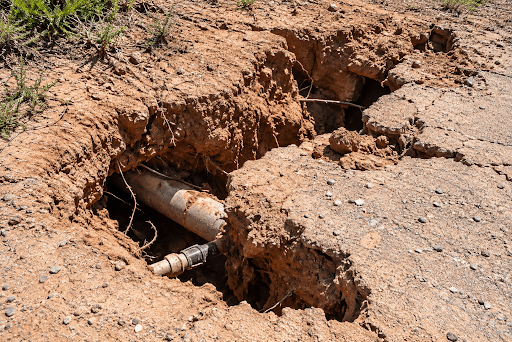
Sewer Infiltration & Inflow (I&I) | How Water Intrusion Can Lead to Soil Loss, Voids, and Concrete Settlement
Sewer systems are designed to transport wastewater safely and efficiently, but they are not designed to carry unlimited groundwater and stormwater. When unwanted water enters a sanitary sewer collection system, it creates challenges that extend far beyond treatment capacity and operating costs.
For municipalities, utility districts, wastewater operators, and public works departments throughout Houston and Southeast Texas, infiltration and inflow (I&I) are familiar concerns. Excess water entering a collection system can increase pumping requirements, consume treatment capacity, contribute to overflows, and stress aging infrastructure.
The relationship between water movement, underground soil conditions, and the stability of surrounding infrastructure are also concerns. When groundwater enters defective sewer pipes or manholes, it may carry fine soil particles with it under certain conditions. Over time, that movement can contribute to the formation of underground voids, loss of pipe bedding support, and settlement around manholes, roadways, sidewalks, and other concrete surfaces.
Understanding the difference between water entering a sewer system and soil being transported into that system is important. Not every I&I problem causes soil erosion, and not every underground void is related to sewer leakage. However, when the two conditions occur together, wastewater infrastructure can become part of a much larger soil stabilization problem.
What Is Sewer Infiltration and Inflow?
Infiltration and inflow are two different ways unwanted water enters a sanitary sewer collection system. Although they are frequently discussed together, the distinction matters because the sources and corrective actions can be different.
Infiltration occurs when groundwater enters a sewer system through defects such as cracked pipes, deteriorated joints, damaged connections, or compromised manhole structures. Groundwater pressure can drive water through openings in the collection system, particularly when surrounding soils are saturated or groundwater levels are elevated. Inflow occurs when stormwater enters the sanitary sewer system more directly. Sources may include improperly connected roof drains, sump pumps, yard drains, foundation drains, or stormwater entering through manhole covers and other surface openings.
Both conditions can increase the volume of water transported through a wastewater collection system. However, infiltration is often more directly associated with the potential movement of surrounding soil into a defective pipe or manhole because groundwater may flow through soil before entering the system. This distinction is especially important when evaluating underground void formation.
Why I&I Is a Significant Concern in Houston and Southeast Texas
Houston’s combination of heavy rainfall, extensive development, variable groundwater conditions, and aging underground infrastructure creates an environment where I&I can become a persistent operational challenge.
During significant rainfall events, stormwater may enter sanitary collection systems through improper connections or openings at the surface. At the same time, rising groundwater levels can increase infiltration through damaged underground components. The resulting increase in collection-system flow may require additional pumping and treatment. During severe wet-weather conditions, systems with insufficient available capacity can experience backups or overflows.
For wastewater operators, these challenges are typically addressed through collection-system assessment, flow monitoring, sewer rehabilitation, maintenance, and capital improvement planning. However, when defects also allow surrounding soil to migrate into the system, the problem can extend beyond hydraulic performance. The condition of the soil surrounding a pipe or manhole becomes part of the infrastructure assessment.
How Can Sewer Infiltration Contribute to Soil Loss?
Soil migration can occur when flowing water transports fine particles through openings in underground infrastructure. Consider a sewer pipe with a deteriorated joint. When groundwater pressure outside the pipe exceeds pressure inside the collection system, water may enter through the opening. Depending on the surrounding soil conditions, hydraulic gradients, and size of the defect, fine soil particles may move with that water. This process can gradually remove material from the bedding or backfill surrounding the pipe.
As particles migrate, the remaining soil structure may become less stable. Small openings can develop within the surrounding material, and repeated water movement may enlarge those pathways. Over time, the loss of material can contribute to underground void formation or localized settlement. This process is sometimes associated with internal erosion or piping, although the specific mechanism depends on the soil, hydraulic conditions, and infrastructure defects involved.
Importantly, groundwater infiltration does not automatically mean soil is being transported. A sewer can experience significant infiltration without measurable soil loss. Evidence of missing bedding, recurring surface settlement, sediment entering the collection system, or developing voids may warrant a more detailed investigation.
Why Underground Voids Can Form Around Sewer Pipes
Sewer pipes depend on properly installed bedding and backfill to maintain support and distribute loads. When soil is removed from around a pipe, the surrounding support conditions can change. Material that once supported the pipe or the pavement above it may no longer be present. In some cases, a void develops alongside the pipe. In others, the affected area may extend above the pipe through the backfill or along the original excavation trench.
The size and location of a void depend on several factors, including soil composition, water movement, depth of the pipe, condition of the surrounding backfill, and duration of the problem. Because these conditions develop underground, surface damage may not appear immediately. A roadway can remain relatively level while soil beneath it is gradually being displaced. Eventually, however, the unsupported material may consolidate or collapse, producing visible settlement. This delayed response is one reason underground soil loss can be difficult to identify through surface observation alone.
Why Pavement Sometimes Sinks Around Manholes
Settlement around manholes is a familiar concern for municipalities and roadway maintenance departments. Manholes interrupt the surrounding pavement and require excavation, backfill, and careful integration with the adjacent roadway structure. Differences in compaction, material properties, and drainage conditions can create opportunities for localized movement. If a manhole develops defects that allow groundwater infiltration and soil migration, the surrounding backfill may lose support over time. The resulting settlement can appear as a depression around the manhole, cracking in the pavement, or a low area that requires repeated patching.
However, sewer infiltration is only one possible cause. Poor compaction, roadway loading, construction deficiencies, utility trench settlement, and changes in surrounding soils can also contribute. The appropriate repair depends on identifying which conditions are responsible. PolyTex Concrete’s soil stabilization and void-filling capabilities may be relevant when an investigation identifies missing support around otherwise serviceable infrastructure.
The Relationship Between Sewer Trenches and Surface Settlement
Installing sewer infrastructure requires excavation, and the material placed back into the trench becomes part of the long-term support system for the surface above. If trench backfill was not adequately compacted, settlement can occur as the material consolidates. Water moving along a utility trench can also affect support conditions. Disturbed backfill may provide a different pathway for water than the surrounding undisturbed soil. This is particularly important where sewer lines cross beneath streets, parking lots, industrial facilities, and other heavily used concrete surfaces.
A depression following the alignment of a buried utility can sometimes indicate changes in trench backfill. However, surface alignment alone cannot establish the cause. The problem may involve consolidation, erosion, pipe leakage, groundwater movement, or a combination of conditions. A useful investigation considers both the condition of the buried utility and the support beneath the surface.
Can Sewer I&I Cause Sinkholes?
In certain circumstances, soil migration into defective underground infrastructure can contribute to subsurface voids that eventually collapse. When this happens, the surface may develop a sudden depression or localized collapse. The term sinkhole is sometimes used informally to describe these events, although the engineering distinction between subsidence, trench collapse, and naturally occurring sinkholes matters.
A collapse associated with a sewer defect is not necessarily the same geological process as a sinkhole caused by dissolution of underground rock. For municipal infrastructure, the practical concern is whether the ground has lost enough support to create a hazard.
Unexpected pavement depressions, rapid settlement, or suspected underground collapse should be treated as potential safety issues. The affected area may need to be restricted until qualified personnel can evaluate the conditions. Polyurethane injection should not be used as a substitute for investigating an active infrastructure failure or an unsafe underground condition.
Why Repeated Pavement Patching May Not Solve the Problem
When pavement settles around a manhole or utility trench, a common maintenance response is to patch the surface. Surface repairs may be appropriate for isolated pavement deterioration, but they do not necessarily restore missing soil or correct the conditions that caused settlement. If a void remains beneath the roadway, placing additional material on top can temporarily improve the driving surface without addressing the issue below. Likewise, if groundwater continues carrying soil into a defective sewer, new support material may eventually be compromised. This can create a recurring maintenance cycle in which the same area is repaired repeatedly. When settlement continues returning, the maintenance history itself becomes useful information. Repeated failures may justify a more comprehensive investigation of the supporting soil and adjacent underground infrastructure.
How Municipalities Investigate I&I and Related Infrastructure Problems
Identifying infiltration and inflow generally requires a combination of collection-system assessment methods. Depending on the system and suspected problem, wastewater professionals may use flow monitoring, CCTV pipe inspections, manhole inspections, smoke testing, dye testing, or other established evaluation methods. These techniques help identify potential sources of unwanted water and determine whether pipes, joints, connections, or manholes require rehabilitation.
When surface settlement or suspected voids are also present, additional investigation may be necessary to understand the surrounding ground conditions. The appropriate approach may involve geotechnical evaluation, targeted subsurface investigation, reviewing construction records, or other methods by qualified professionals. These assessments serve different purposes. Sewer inspection evaluates the collection system, while subsurface investigation helps determine whether the surrounding material has lost support. For a successful infrastructure repair, both conditions may need to be understood.
Where Polyurethane Soil Stabilization Fits Into the Repair Process
PolyTex Concrete specializes in polyurethane injection, void filling, concrete leveling, and soil stabilization. In appropriate infrastructure applications, polyurethane materials can be introduced into compromised areas to fill void space and help restore support around affected structures or beneath adjacent pavement.
For example, a municipality may identify a void beneath pavement near a manhole after a collection-system defect has been evaluated and addressed. If the surrounding conditions are suitable, polyurethane injection may provide an alternative to extensive excavation for restoring lost support. Another project may involve settlement along a utility trench where the surface remains serviceable but supporting material has become compromised. The objective in these situations is not to rehabilitate the sewer pipe itself. It is to address an appropriate soil or void condition associated with the surrounding infrastructure.
Injection design, material selection, pressure control, and verification should reflect the actual site conditions. Work near buried utilities requires particular care to avoid damaging pipes, altering alignment, obstructing openings, or unintentionally introducing material into the collection system.
Polyurethane Injection Is Not the Same as Sewer Rehabilitation
This distinction is essential. Sewer rehabilitation methods may include pipe lining, joint sealing, structural repairs, manhole rehabilitation, excavation, or replacement. Those methods are intended to address defects in the wastewater collection system itself. Polyurethane void filling and soil stabilization address a different problem: compromised supporting material outside the infrastructure. Some specialized grouting systems are used by qualified sewer rehabilitation contractors to seal infiltration pathways. However, that should not be confused with every polyurethane stabilization application.
PolyTex should not be presented as a replacement for a sewer rehabilitation contractor, wastewater engineer, or utility inspection provider. Instead, PolyTex can serve as a potential stabilization resource when an appropriately evaluated project requires support restoration around underground infrastructure.
Why Repair Sequence Matters
Imagine a sewer pipe with a failed joint that is allowing groundwater and soil particles to enter the system. If a contractor fills the surrounding void without addressing the defective joint, the original pathway for water and soil migration may remain active. The repair may therefore be incomplete.
In many situations, the collection-system defect must be repaired or controlled before the surrounding soil is stabilized. The specific sequence depends on site conditions and the repair design. The principle remains to be restoring support and controlling the mechanism that caused support loss. Coordination among utility operators, engineers, sewer rehabilitation contractors, and stabilization specialists can help avoid treating each symptom as an unrelated problem.
The Advantages of Targeted Void Filling
Traditional excavation remains necessary for many underground infrastructure repairs, particularly when pipes are severely damaged or structural components require replacement. However, when the existing infrastructure is serviceable and the problem involves accessible voids or localized loss of support, targeted polyurethane injection may offer practical advantages.
Small injection access points can reduce the amount of surface demolition required. Lightweight materials can help restore support without introducing substantial additional dead load. Depending on the project, targeted injection may also reduce disruption to nearby pavement, facilities, and ongoing operations. These benefits are especially relevant for busy roadways, commercial properties, industrial facilities, and municipal sites where excavation can interfere with traffic or essential services. Suitability must be determined through appropriate evaluation. Not every underground void can or should be repaired through injection.
What About Stormwater Infrastructure?
Although infiltration and inflow refer specifically to unwanted water entering sanitary sewer systems, similar soil migration concerns can occur around stormwater infrastructure. Catch basins, storm drain pipes, culverts, and other drainage structures may experience soil loss when water escapes through defective joints or moves through inadequately protected surrounding material.
The hydraulic conditions and repair requirements may differ from those of sanitary sewers, but the supporting-soil problem can be similar. This creates a natural connection between PolyTex’s municipal wastewater authority content and its broader infrastructure stabilization services.
A roadway depression around a sanitary sewer manhole and a void near a storm drain may have different causes, but both deserve evaluation of the underground support conditions before deciding on a repair.
Building a More Proactive Infrastructure Maintenance Strategy
For municipalities and utility operators, visible pavement settlement is often the point at which an underground problem attracts attention. A more proactive approach looks for patterns that may indicate support conditions are changing before a major surface failure occurs.
Recurring settlement near manholes, unexplained depressions along utility trenches, or evidence of soil entering collection systems can help identify areas of concern. Additionally, repeated pavement repairs, and known infrastructure defects can also help identify locations that warrant investigation. Maintenance records, CCTV findings, flow monitoring, and observations from field crews can provide valuable context when reviewed together.
Not every location will require soil stabilization. Some may need pipe rehabilitation, improved drainage, reconstruction, or continued monitoring. The objective is to match the corrective action to the actual condition rather than assuming that all settlement has the same cause.
Protecting Infrastructure Means Looking Beyond the Pipe
Sewer infiltration and inflow are often discussed in terms of collection-system capacity, treatment costs, and regulatory compliance. Those concerns are important, but the physical condition of the soil surrounding underground infrastructure also deserves attention when there is evidence of material migration or settlement. A defective sewer joint may create a water-management problem. Under certain conditions, it can also become part of a soil-support problem that affects pavement, manholes, utility trenches, and nearby concrete surfaces. Understanding that relationship allows municipalities and infrastructure professionals to consider both the condition of the collection system and the stability of the ground around it.
PolyTex Concrete provides polyurethane void filling, concrete leveling, and soil stabilization for appropriate municipal, commercial, and infrastructure applications throughout Houston, Conroe, The Woodlands, Galveston, and Southeast Texas. When an underground void or loss of support has been identified near wastewater infrastructure, PolyTex can help evaluate whether targeted polyurethane stabilization is an appropriate part of the repair strategy. A stable sewer system depends on more than the pipe. The ground supporting the infrastructure matters too.
Contact PolyTex Concrete to discuss your infrastructure stabilization project.